
Zinc Die Casting Services

When a part needs thin walls, fine detail and a surface that takes plating beautifully, zinc usually beats aluminum. SUNGREAT casts Zamak 2/3/5/7 and finishes it in-house.

ISO 9001-aligned quality system

Samples as fast as 10–15 days

Expert DFM & engineering support

100% dimensional inspection

What is Zinc Die Casting?

Zinc die casting uses Zamak alloys (zinc-aluminum-copper-magnesium) injected into a steel mold under pressure. The alloy melts at a lower temperature than aluminum, which extends mold life and allows thinner walls.
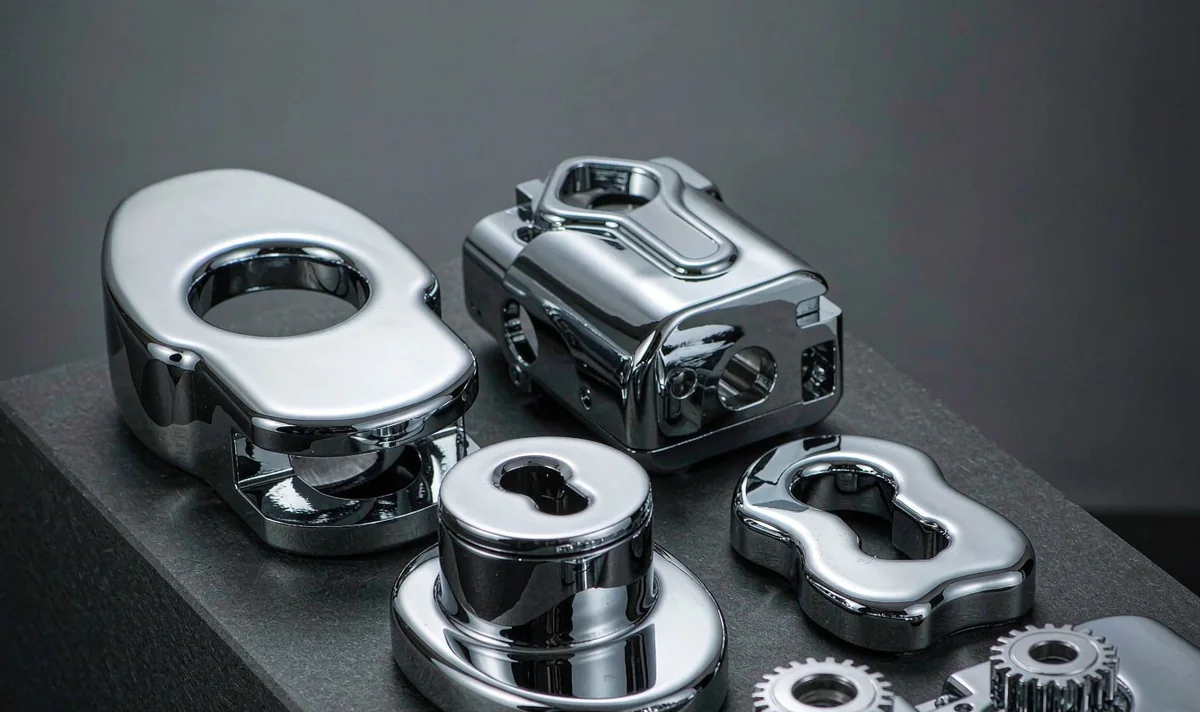
The result is a part with sharper as-cast detail, better dimensional stability and a surface that takes chrome, nickel or brass plating better than any other casting alloy.
It is heavier than aluminum — roughly 2.5 times the density — so it is the wrong choice for weight-sensitive parts. For small, detailed, plated or precision components, it is usually the cheapest route to a good-looking part.

Die Casting Production Process

Four stages, each with a check you can audit.

01

Die Design & Preheating

Molds are designed for thin-wall fill and preheated to 180–220 °C, lower than aluminum because Zamak melts at around 390 °C.

02

Melting & Hot-Chamber Injection

Zamak is melted and injected by a hot-chamber machine — the nozzle sits in the melt, which gives faster cycles than cold-chamber casting.

03

Solidification & Ejection

Zinc solidifies quickly and with low shrinkage, so dimensions hold tightly and parts eject cleanly with minimal draft.

04

Finishing & Plating

De-gating, polishing, then chrome, nickel or powder coating. Plating adhesion is checked before packing.

One-Stop Die Casting Solution

Five capabilities under one production plan. Most projects use three or four of them.
Validate fit and function before tooling is cut.
In-house mold design and build, 1–4 cavities.
HPDC from 160T to 1,250T for structural parts.
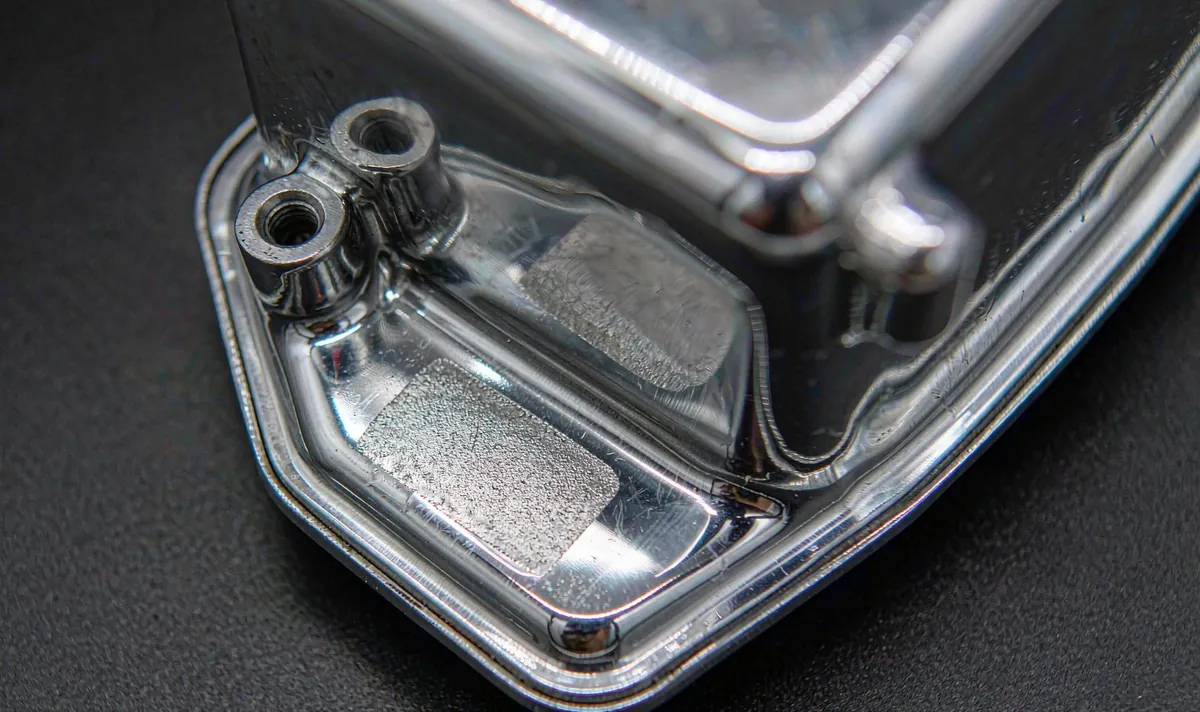
Tapped holes, sealing faces, ±0.02 mm.
Coating, painting, anodizing, plating.
  • 01

    Walls down to 0.5 mm

    Zinc fills sections aluminum cannot, which is why small detailed parts are almost always zinc.

  • 02

    Sharpest as-cast detail

    Lettering, knurling and fine ribs come out of the mold crisp.

  • 03

    Excellent machinability

    Cuts faster and cleaner than aluminum, lowering secondary cost.

  • 04

    Best plating finish

    Chrome and nickel adhere beautifully — the reason sanitary ware and hardware are zinc.

  • 05

    Dimensional stability

    Low shrinkage means tight tolerances hold without post-machining.

Applications

Where this capability is usually specified.
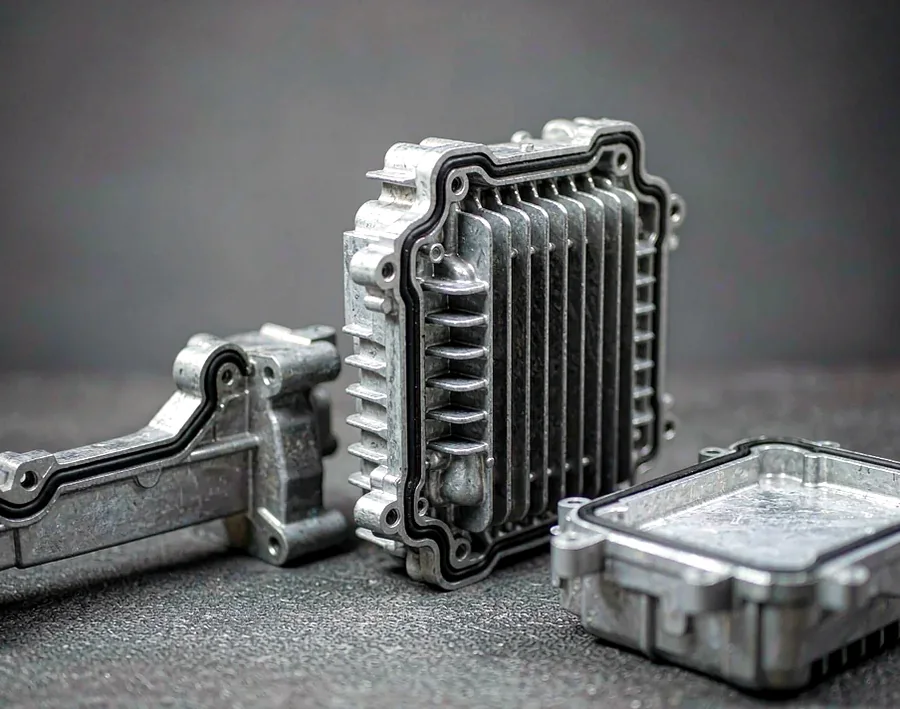
  • Aluminum die-cast electronics enclosure with cooling fins

    Camera and sensor bodies

    Thin-wall housings that hold lens and sensor alignment, cast in Zamak for detail and stability.
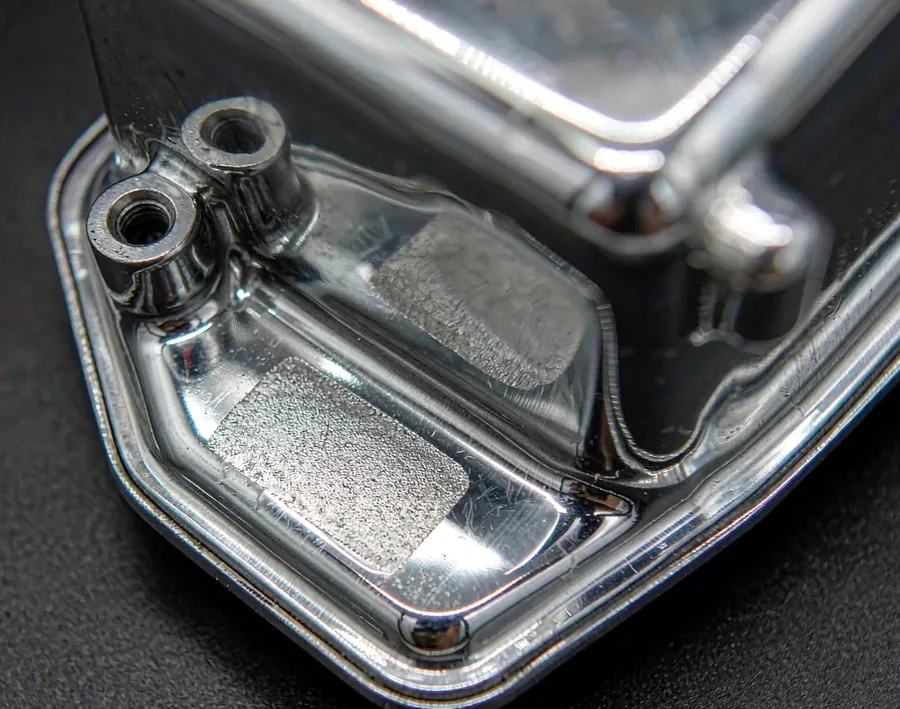
  • Polished zinc die-cast housing with machined boss

    Door hardware and lock components

    Latch bodies, handles and lock parts that plate cleanly and hold tolerance after finishing.
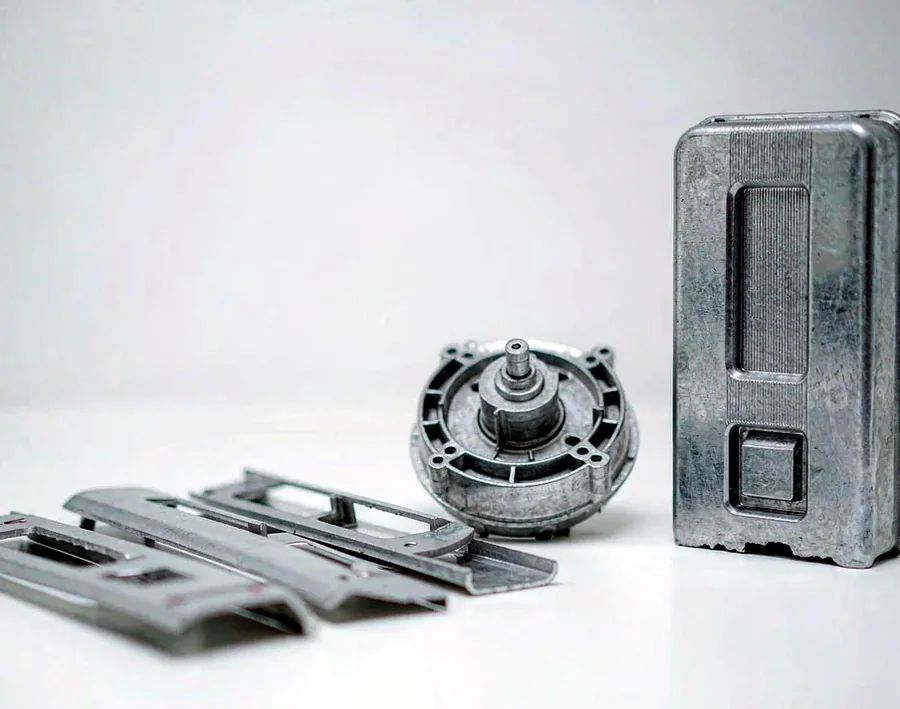
  • Die-cast consumer product housings and decorative parts

    Sanitary ware and fittings

    Tap bodies and fittings cast and polished to a finish that survives daily contact with water.
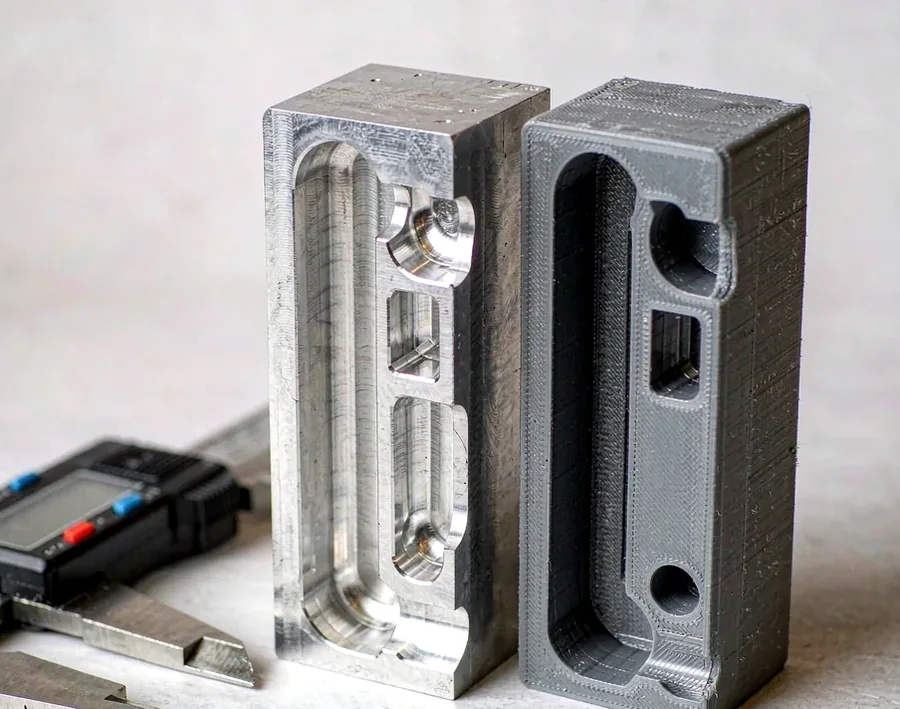
  • Prototype enclosure halves and machined inserts

    Electrical connector housings

    Connector shells with cast-in keyways and fine ribs, thin enough to fit standard contacts.
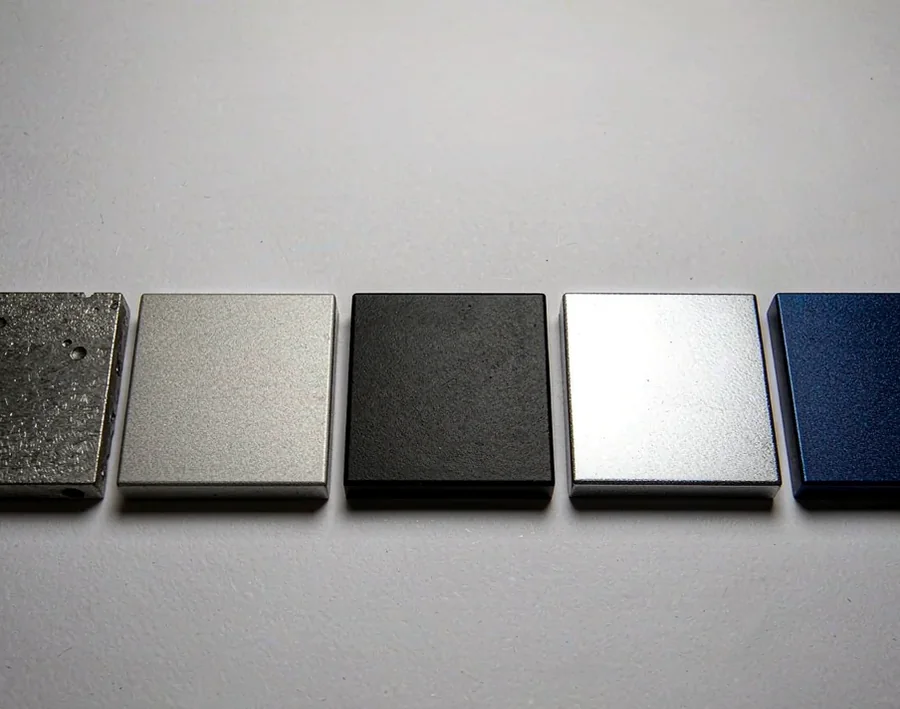
  • Aluminium samples with four different surface finishes

    Decorative plated parts

    Parts designed for plating: smooth as-cast surfaces and no porosity under the chrome layer.
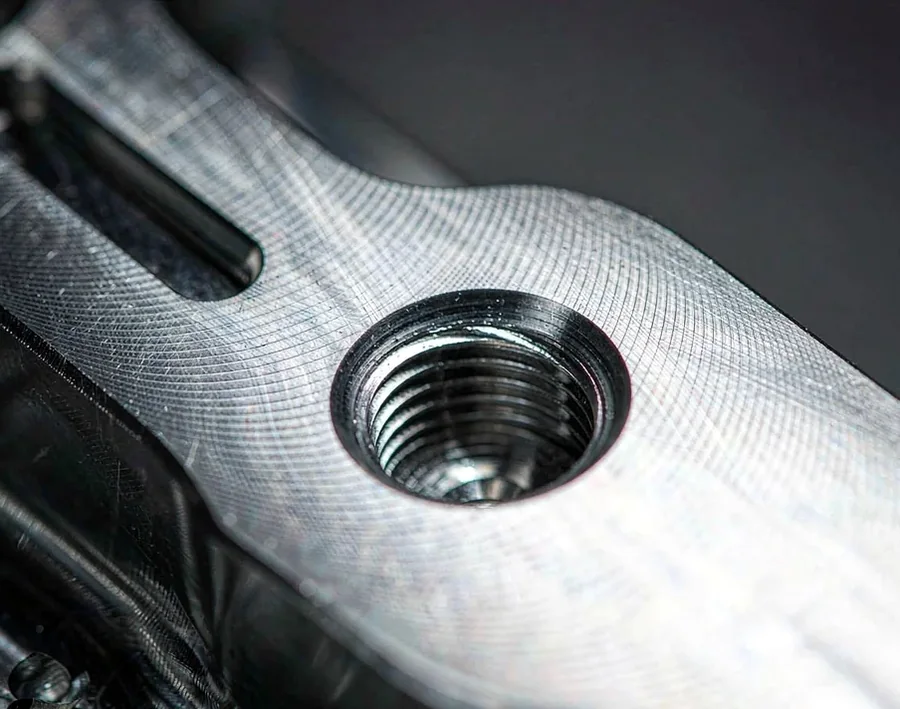
  • Machined bearing bore in an aluminum die casting

    Small gears and bushings

    Compact parts cast near net shape, with bore and face left for a light machining pass.

Frequently Asked Questions

The questions buyers actually ask at quoting stage.

Zamak 3 is the default — best castability and stability. Move to Zamak 5 when the part carries structural load and needs roughly 10% more strength.

Yes, but they need a protective finish. Untreated zinc develops white corrosion. Plating or powder coating solves it.

Zinc is usually chosen for small parts — up to roughly 1 kg. Larger parts are better in aluminum.

Per kilogram yes, but per part often no: thinner walls mean less material, and better castability means less scrap and less machining.

Ready to Quote Your Part?

Send a 3D model or drawing with your annual volume. Tooling cost and piece price come back together, usually within two business days.