
Die Casting Alloys

Aluminum or zinc is the first decision in any die casting project. It sets weight, strength, minimum wall thickness, finishing options and cost.

ISO 9001-aligned quality system

Alloy certificates with every lot

Spectrometer chemistry check

Recycled and primary grades available

The Short Comparison

The five properties that decide the alloy before cost enters the conversation.
PropertyAluminumZinc
Density~2.7 g/cm³~6.6 g/cm³
Minimum wall1.0 – 1.5 mm0.5 – 0.8 mm
Strength-to-weightBetterLower
As-cast detailGoodExcellent
MachinabilityGoodExcellent
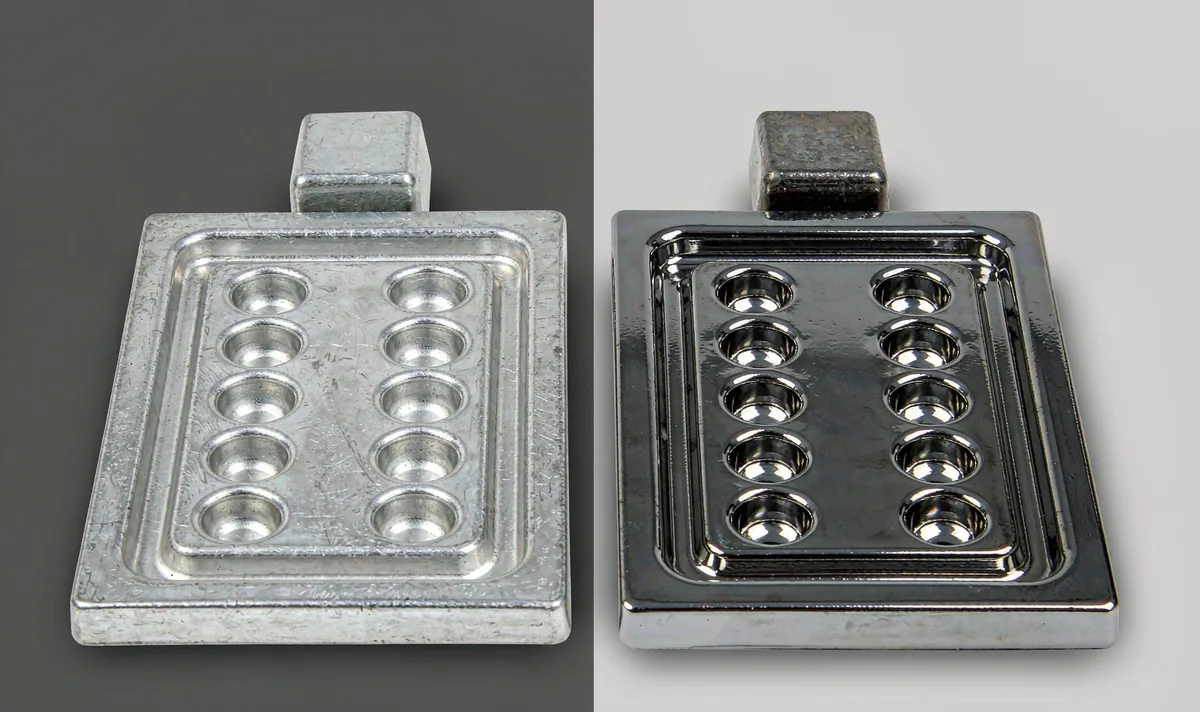
Plating qualityFairExcellent
Relative cost per partLower for large partsLower for small, detailed parts
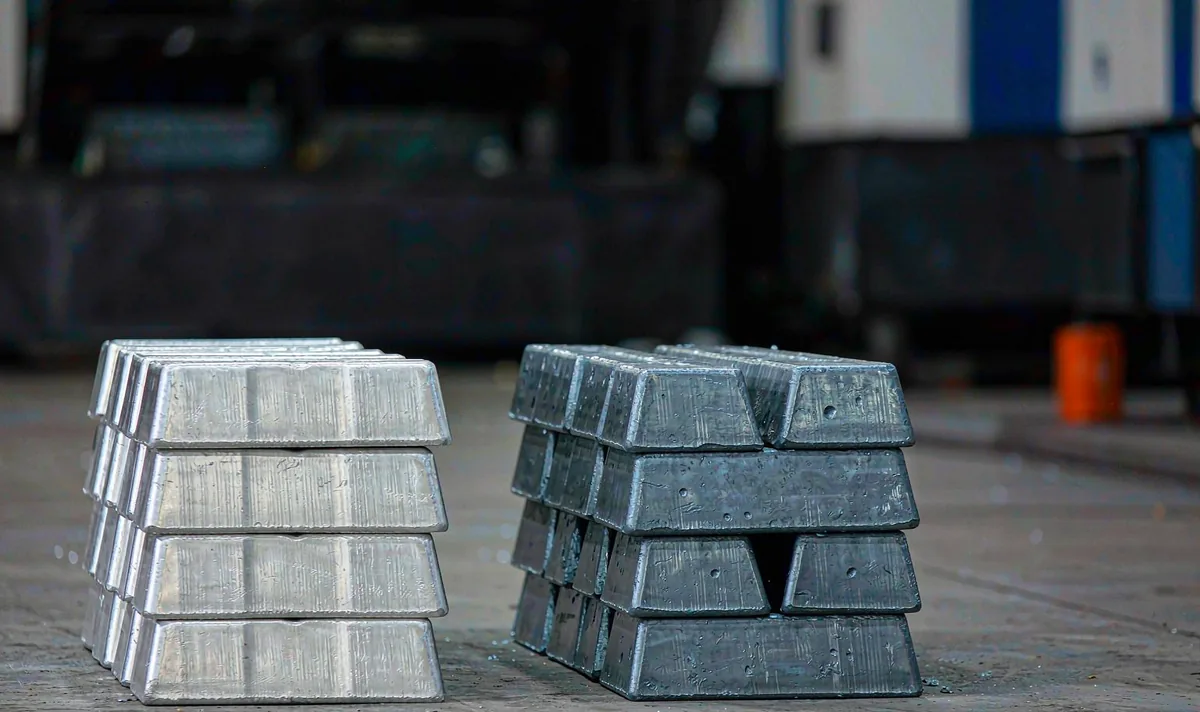
A380, ADC12, A360, A413 and B390 — the five grades that cover most high-pressure die casting work.
Zamak 3, 5, 2 and ZA-8 — chosen for thin walls, fine detail and plating quality.

How to Decide

Start with the environment and the wall thickness. If the part must be light, aluminum wins immediately. If it must be thin, detailed or plated, zinc wins.
If both are acceptable, the tie-breaker is usually volume and finishing cost — and that is worth a five-minute conversation rather than a guess.

Ask Which Alloy Fits

Send the drawing and describe where the part is used. We will recommend an alloy and tell you what the alternative would cost.