
Rapid Prototyping Services

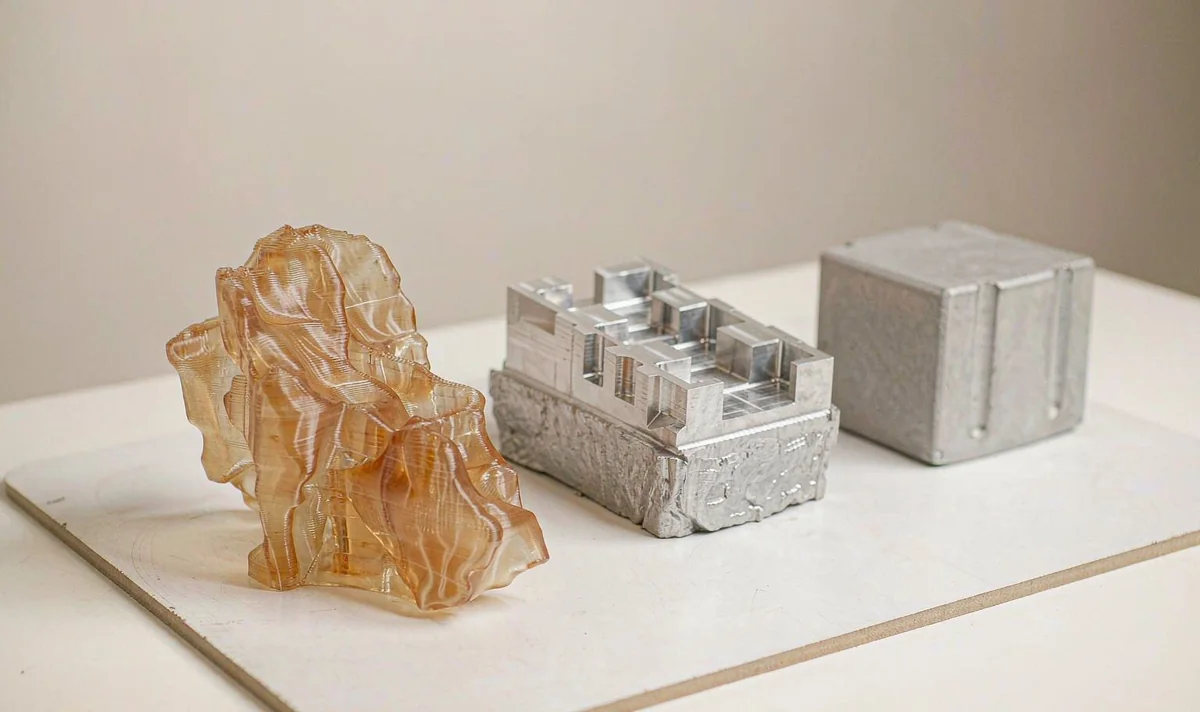
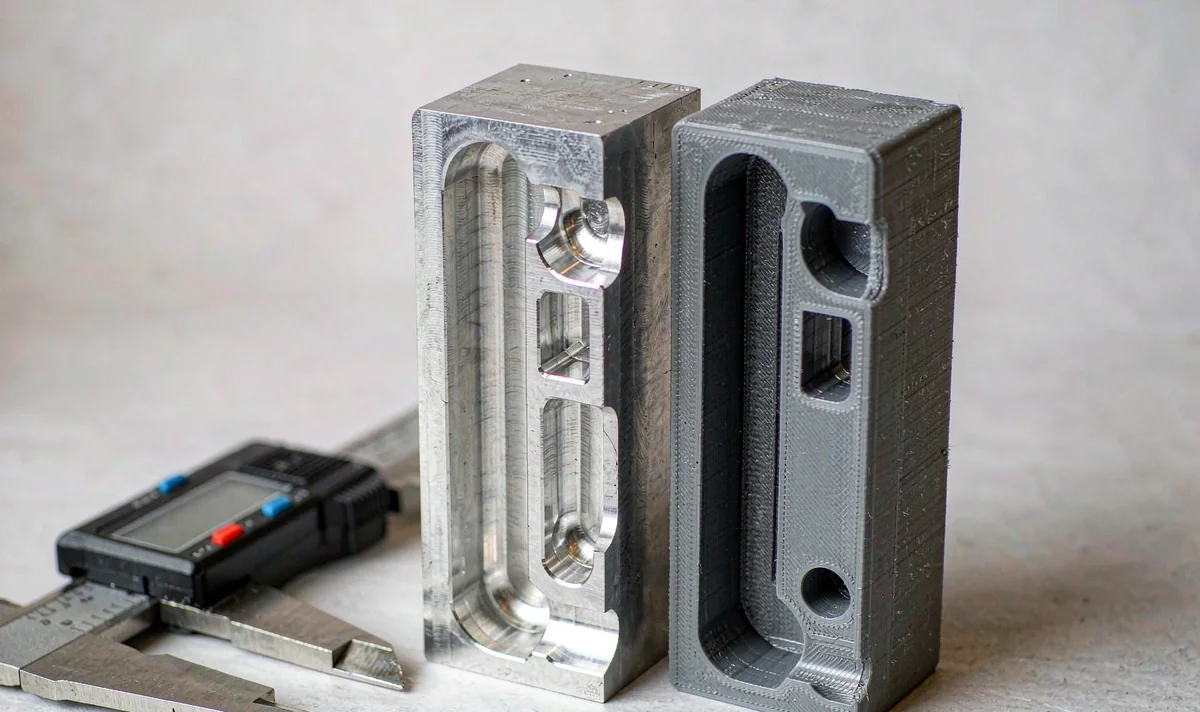
You should never cut steel for a mold before you have held the part in your hand. We offer three prototype routes — 3D printing, CNC from billet and soft tooling — so you can pick the one that matches your deadline and budget.

ISO 9001-aligned quality system

Samples as fast as 10–15 days

Expert DFM & engineering support

100% dimensional inspection

Why Prototype Before Tooling?

A production mold is a five-figure commitment and a four-to-six week lead time. If the design changes after it is cut, you pay for both the change and the delay.
A prototype answers the questions that a 3D model cannot: does it fit the mating part, does it survive the drop test, does the wall thickness actually fill, does the finish look right in the hand.
We use prototype results as design input — adjusting gate position, cooling layout and ejector placement before the production mold is cut. That is where the real saving is.

Die Casting Production Process

Four stages, each with a check you can audit.

01

Design Review

We check the model for draft, wall thickness, gate position and ejector placement, and flag what will be expensive to cast.

02

Route Selection

3D printing for form and fit, CNC from billet for real material properties, soft tooling when the design is nearly final.

03

Prototype Build

3–7 days for printed parts, 5–12 days for machined parts, 15–25 days for a prototype mold.

04

Validation & Handoff

You test the part. We fold the findings into the production mold design before cutting steel.

One-Stop Die Casting Solution

Five capabilities under one production plan. Most projects use three or four of them.
Validate fit and function before tooling is cut.
In-house mold design and build, 1–4 cavities.
HPDC from 160T to 1,250T for structural parts.
Tapped holes, sealing faces, ±0.02 mm.
Coating, painting, anodizing, plating.

Why Choose SUNGREAT

What separates a casting supplier from a manufacturing partner is what happens before the mould is cut and after the parts are packed.

Three routes, one supplier

Print, machine or soft-tool without shopping around for different vendors.

Real material properties

CNC prototypes are cut from the same alloy you will cast, so strength tests mean something.

Fast turnaround

Printed parts in as little as 2–3 days; machined parts inside two weeks.

Feeds the mold design

Prototype findings directly change gate and cooling layout.

Applications

Where this capability is usually specified.

Form and fit checks

Client and investor presentations

Drop and strength testing

Thermal validation

Assembly trials

Low-volume bridge production

Frequently Asked Questions

The questions buyers actually ask at quoting stage.

If the question is does it look right and does it fit, print it. If it is does it survive the test, machine it from the real alloy. If it is will this mold run, use soft tooling.

Dimensional accuracy is good but surface finish and material strength are not representative of casting. Use them for geometry, not for performance claims.

Yes. Most programs move from prototype to T1 samples within 5–7 weeks.

STEP or IGES preferred, Parasolid and X_T accepted. 2D drawings help for tolerances.

Ready to Quote Your Part?

Send a 3D model or drawing with your annual volume. Tooling cost and piece price come back together, usually within two business days.