
Die Casting Manufacturing for

Lighting Industry

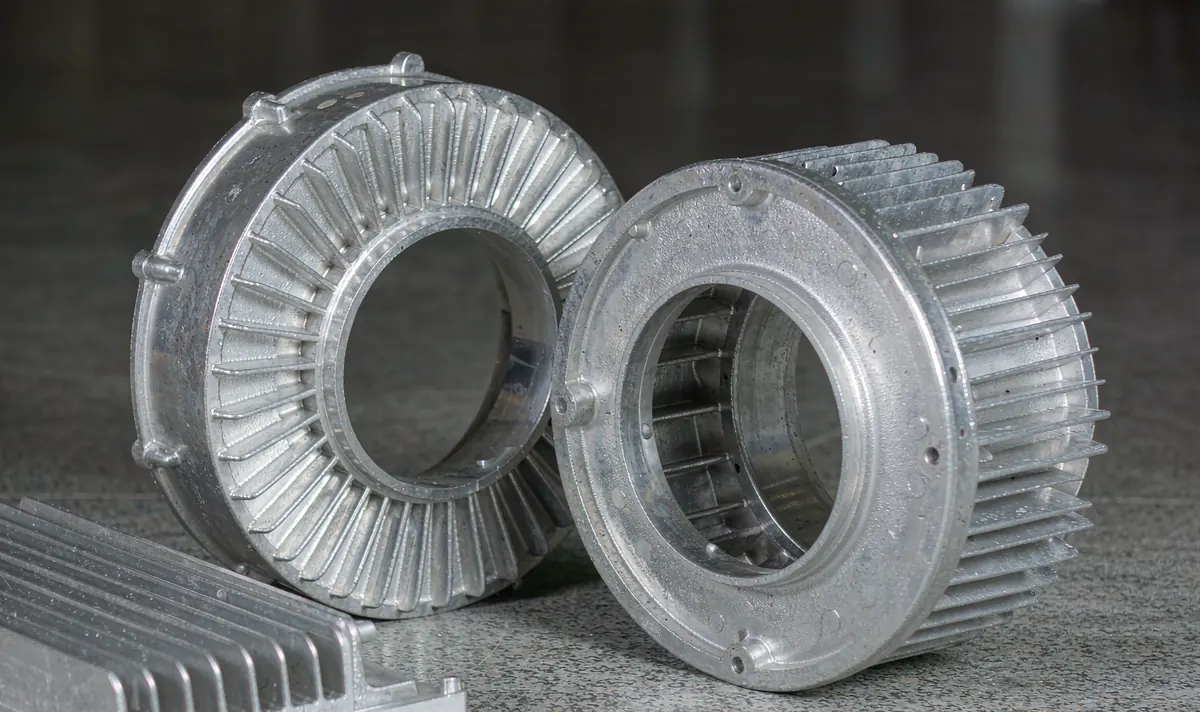
The housing is the cooling system. Get the thermal path wrong and the fixture fails early.

ISO 9001-aligned quality system

Salt spray tested finishes up to 500 h

Thermal-path geometry cast to drawing

IP-rated gasket surfaces machined

Housings That Carry the Heat

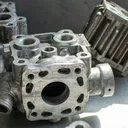
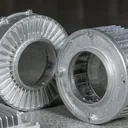
In LED lighting the housing is the cooling system. Fin geometry and base thickness decide junction temperature, and a warped base means poor contact and hot spots.
Flatness at the LED interface is controlled by ejection and cooling design, not by machining afterwards. That is a mold decision, made before steel is cut.
For outdoor fixtures, powder coating over a conversion coating is the default — with the right alloy underneath for UV, rain and salt exposure.

From Prototyping to Production

Five stages, each with a document you can audit.

01

Prototyping

3D printing and CNC prototypes validate form, fit and function before any tooling commitment.

02

Engineering Validation

DFM review, mold-flow simulation and tolerance stack analysis catch problems while they are still free to fix.

03

Design Validation

Sample parts are measured and tested against your drawing and any application-specific requirements.

04

Production Validation

First article inspection and a documented process window confirm the mold is ready for volume.

05

Mass Production

Volume runs with in-process checks, lot traceability and inspection reports with every shipment.

Our Die Casting Capabilities

The production steps behind every industry program.
HPDC from 160T to 1,250T for structural and thermal parts.
Thin-wall precision parts with excellent plating quality.
Tapped holes, sealing faces and ±0.02 mm tolerances.
Coating, painting, anodizing and plating to your spec.

Applications in Lighting Industry

Typical parts we produce for this sector.

LED Housing

Heat Sink

Driver Enclosure

Pole Adapter

Trim Ring

Reflector Body

Specialist Industries

We staff each sector with people who know its audits.

Frequently Asked Questions

What buyers in this sector usually ask at quoting stage.

Usually yes, but thin, deep fins are the hardest thing to fill. Send the model and we will tell you what is achievable before tooling.

Through ejection and cooling design, verified by CMM on the first article.

Powder coating over a conversion coating, with A360 alloy for severe exposure.

Yes, where the IP rating requires it. Cast-then-machine gives the flatness a gasket needs.

Ready to Quote Your Part?

Send a 3D model or drawing with your annual volume. Tooling cost and piece price come back together, usually within two business days.