
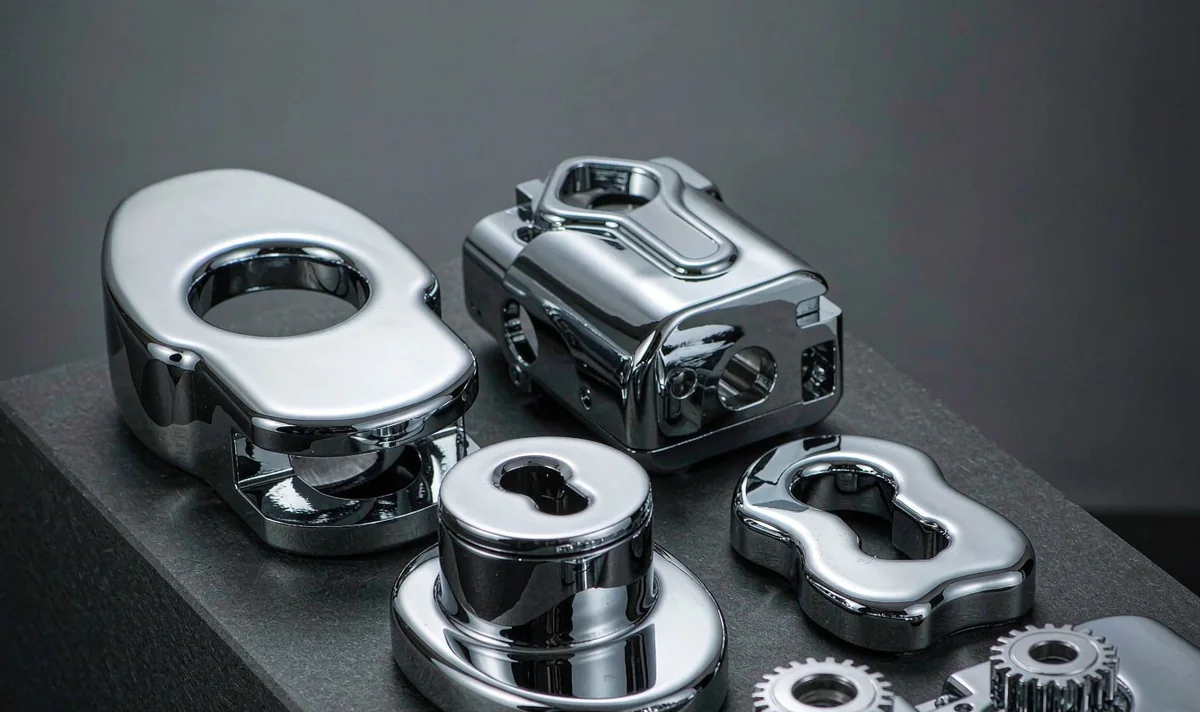
Zinc Die Casting Services
ISO 9001-aligned quality system
Samples as fast as 10–15 days
Expert DFM & engineering support
100% dimensional inspection
What is Zinc Die Casting?
Die Casting Production Process
01
Die Design & Preheating
02
Melting & Hot-Chamber Injection
03
Solidification & Ejection
04
Finishing & Plating
One-Stop Die Casting Solution
- 01
Walls down to 0.5 mm
Zinc fills sections aluminum cannot, which is why small detailed parts are almost always zinc.
- 02
Sharpest as-cast detail
Lettering, knurling and fine ribs come out of the mold crisp.
- 03
Excellent machinability
Cuts faster and cleaner than aluminum, lowering secondary cost.
- 04
Best plating finish
Chrome and nickel adhere beautifully — the reason sanitary ware and hardware are zinc.
- 05
Dimensional stability
Low shrinkage means tight tolerances hold without post-machining.
Applications
Where this capability is usually specified.
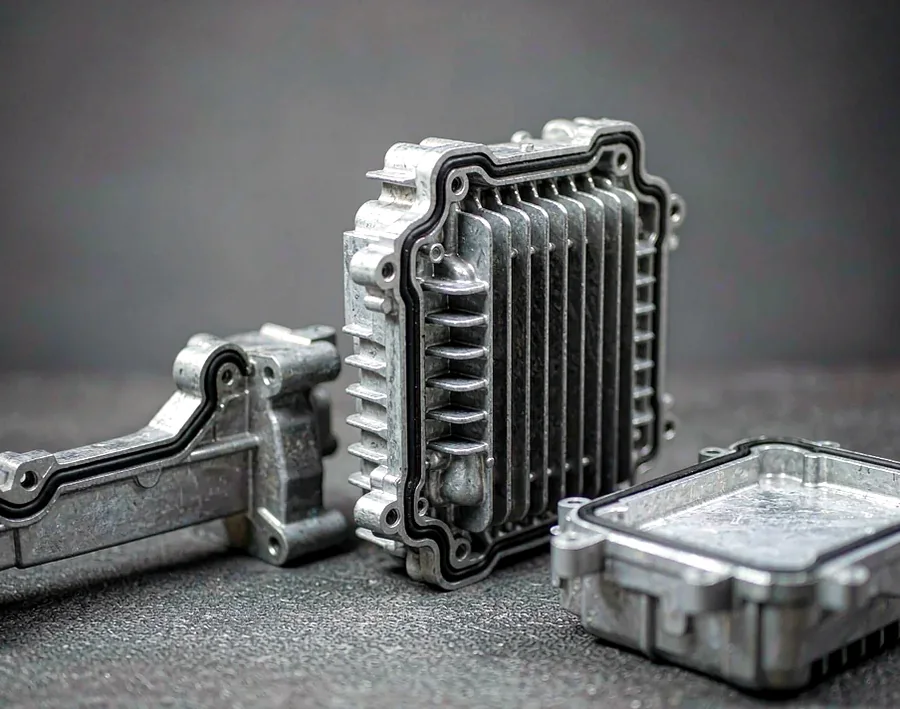
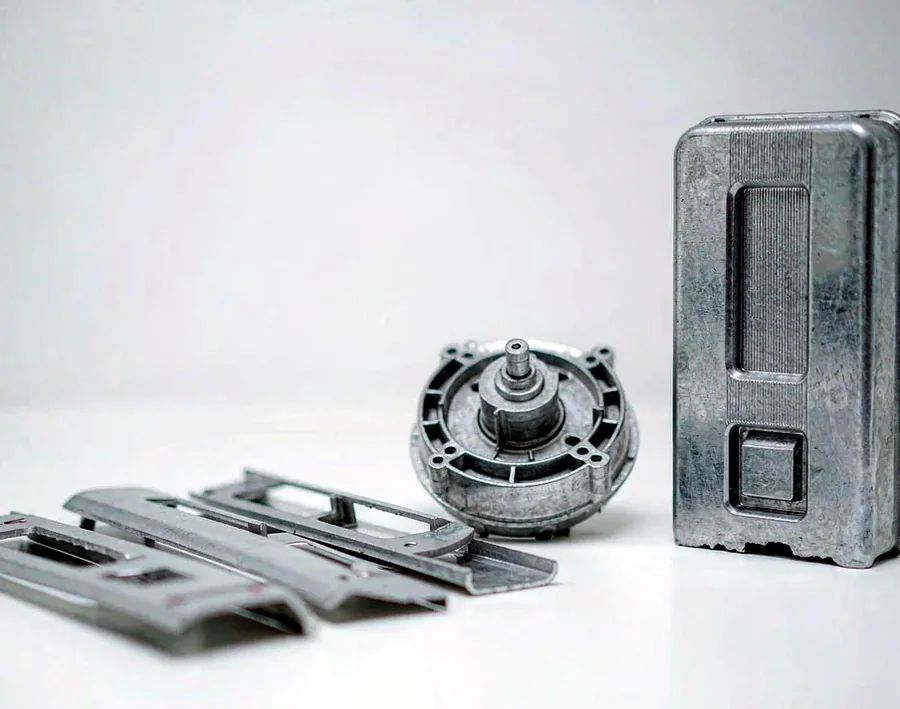
Camera and sensor bodies
Thin-wall housings that hold lens and sensor alignment, cast in Zamak for detail and stability.
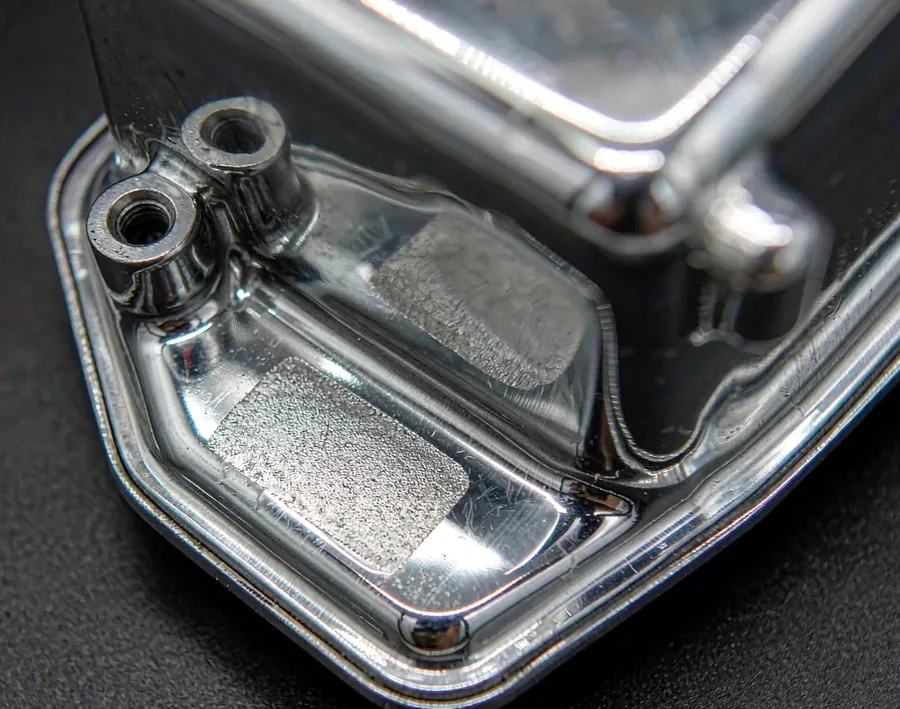
Door hardware and lock components
Latch bodies, handles and lock parts that plate cleanly and hold tolerance after finishing.
Sanitary ware and fittings
Tap bodies and fittings cast and polished to a finish that survives daily contact with water.
Electrical connector housings
Connector shells with cast-in keyways and fine ribs, thin enough to fit standard contacts.
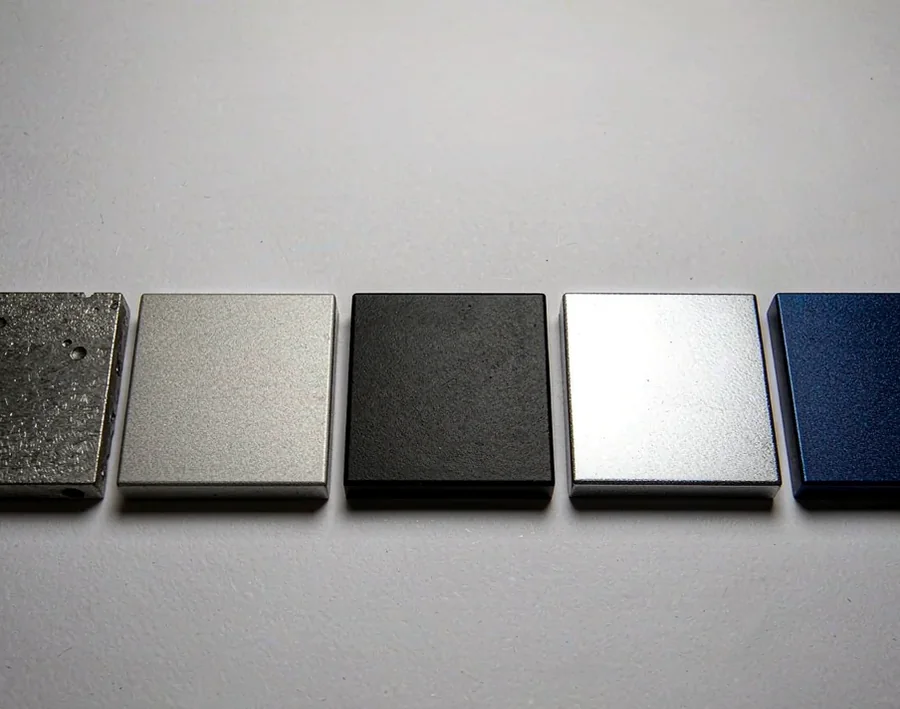
Decorative plated parts
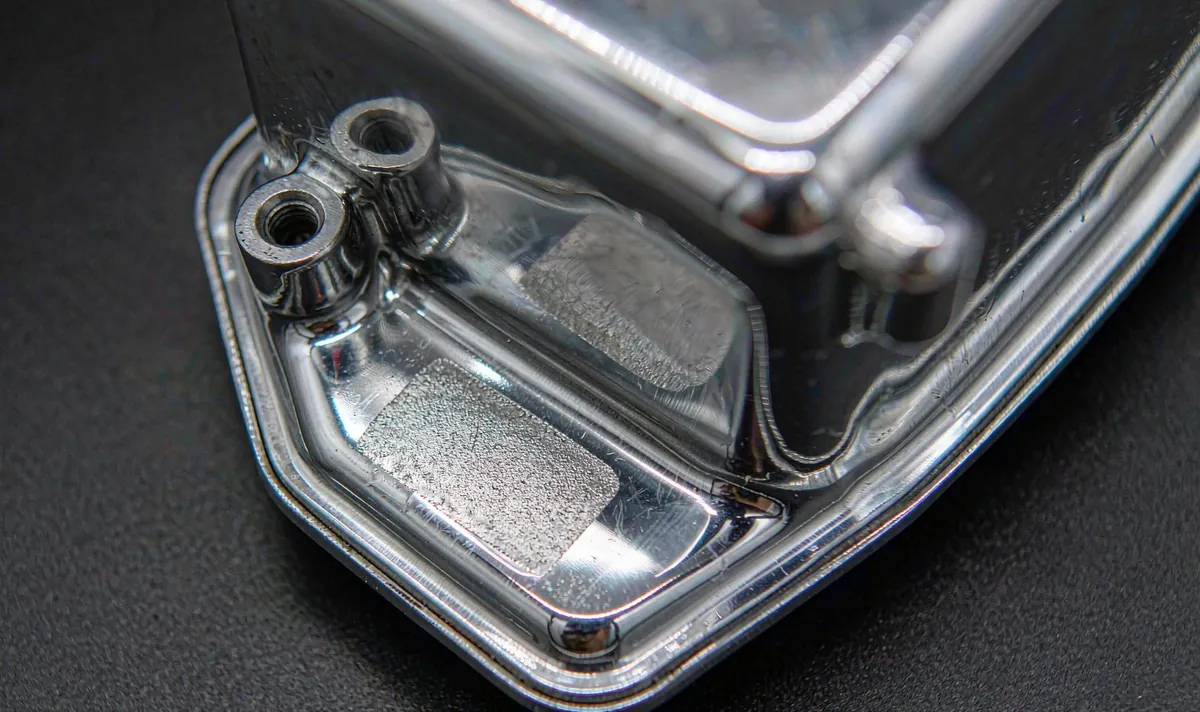
Parts designed for plating: smooth as-cast surfaces and no porosity under the chrome layer.
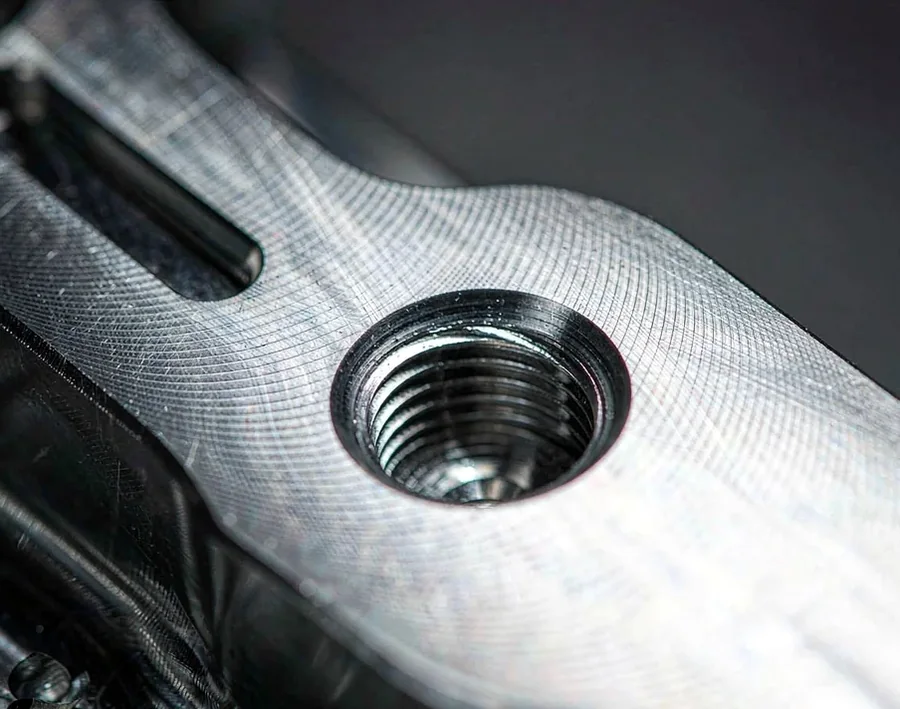
Small gears and bushings
Compact parts cast near net shape, with bore and face left for a light machining pass.
Frequently Asked Questions
Zamak 3 or Zamak 5?
Zamak 3 is the default — best castability and stability. Move to Zamak 5 when the part carries structural load and needs roughly 10% more strength.
Can zinc parts be used outdoors?
Yes, but they need a protective finish. Untreated zinc develops white corrosion. Plating or powder coating solves it.
What is the maximum part size?
Zinc is usually chosen for small parts — up to roughly 1 kg. Larger parts are better in aluminum.
Is zinc casting more expensive than aluminum?
Per kilogram yes, but per part often no: thinner walls mean less material, and better castability means less scrap and less machining.
