
Aluminum Die Casting Services

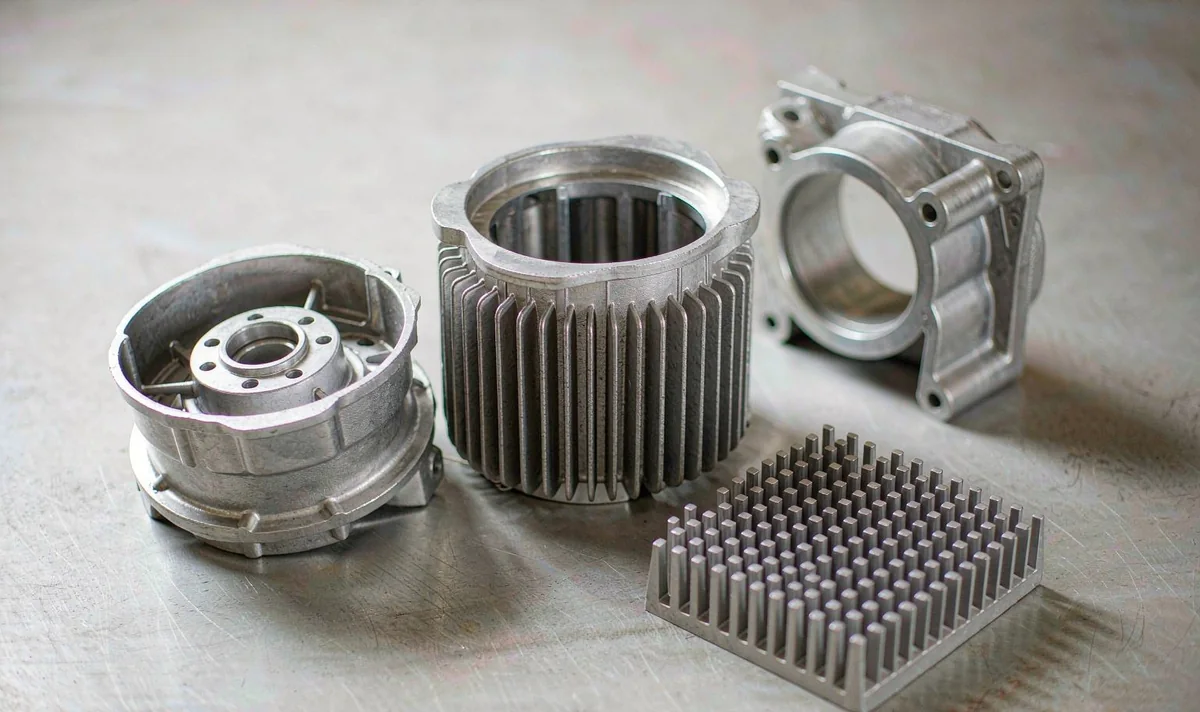
SUNGREAT delivers high-performance aluminum die castings with consistent dimensions and clean surface finishes. Casting close to net shape cuts secondary machining, shortens the production cycle and lowers cost per part at volume.

ISO 9001-aligned quality system

Samples as fast as 10–15 days

Expert DFM & engineering support

100% dimensional inspection

What is Aluminum Die Casting?

Aluminum die casting is a high-efficiency process for producing complex metal components at scale. Molten aluminum alloy is forced into a precision steel mold under high pressure, solidifying in seconds into a part that already carries most of its final geometry.
The process holds tight tolerances (±0.1 mm as cast), produces thin walls down to 1.0 mm and leaves a surface that needs little finishing. It is the default choice for structural, thermal and enclosure parts made in volume.
At SUNGREAT we pair the casting with DFM review, in-house tooling and secondary CNC, so the part that leaves the plant is the part your assembly needs — not a casting that still has to travel to three other vendors.

Die Casting Production Process

Four stages, each with a check you can audit.

01

Die Design & Preheating

Molds are designed in CAD/CAM against your drawing, then preheated to 250–300 °C to reduce thermal shock and stabilise injection.

02

Melting & High-Pressure Injection

Alloy is melted to 700–750 °C and injected into the cavity at high pressure by the die casting machine, filling the cavity in milliseconds.

03

Solidification & Cooling

The metal solidifies inside the mold within 3–10 seconds. The ejection system separates the halves and the semi-finished casting is removed.

04

Post-Processing & Quality Control

De-gating, CNC machining, surface treatment, then CMM and X-ray inspection against your drawing.

One-Stop Die Casting Solution

Five capabilities under one production plan. Most projects use three or four of them.
Validate fit and function before tooling is cut.
In-house mold design and build, 1–4 cavities.
HPDC from 160T to 1,250T for structural parts.
Tapped holes, sealing faces, ±0.02 mm.
Coating, painting, anodizing, plating.
  • 01

    Light and stiff

    About one third the weight of zinc for the same volume, with good stiffness-to-weight for structural brackets.

  • 02

    Thin walls at volume

    1.0–1.5 mm walls are routine; 0.8 mm is possible on small parts with the right gate design.

  • 03

    Good thermal path

    Ideal for heat sinks, LED bodies and power electronics housings.

  • 04

    Cast-in features

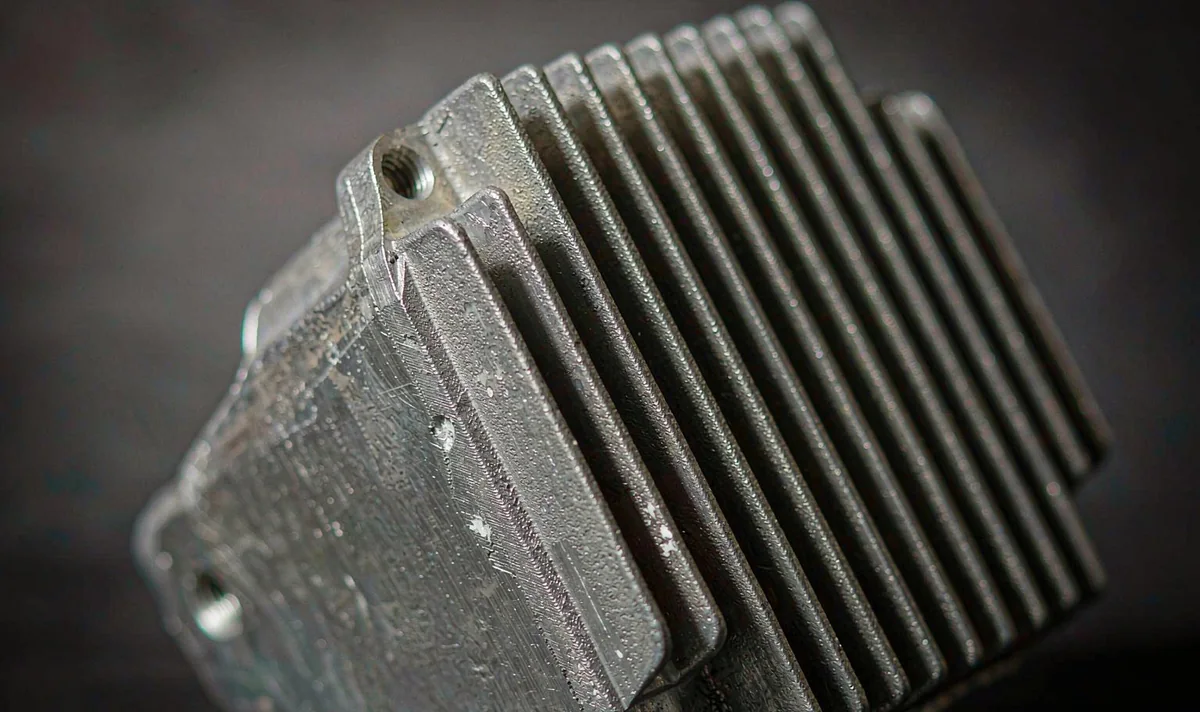
    Bosses, ribs, threads and mounting holes formed in the mold, not machined later.

  • 05

    Recyclable and stable

    Secondary alloy supply is mature, and pricing is far less volatile than zinc.

Applications

Where this capability is usually specified.
  • Aluminum die-cast automotive bracket and housing

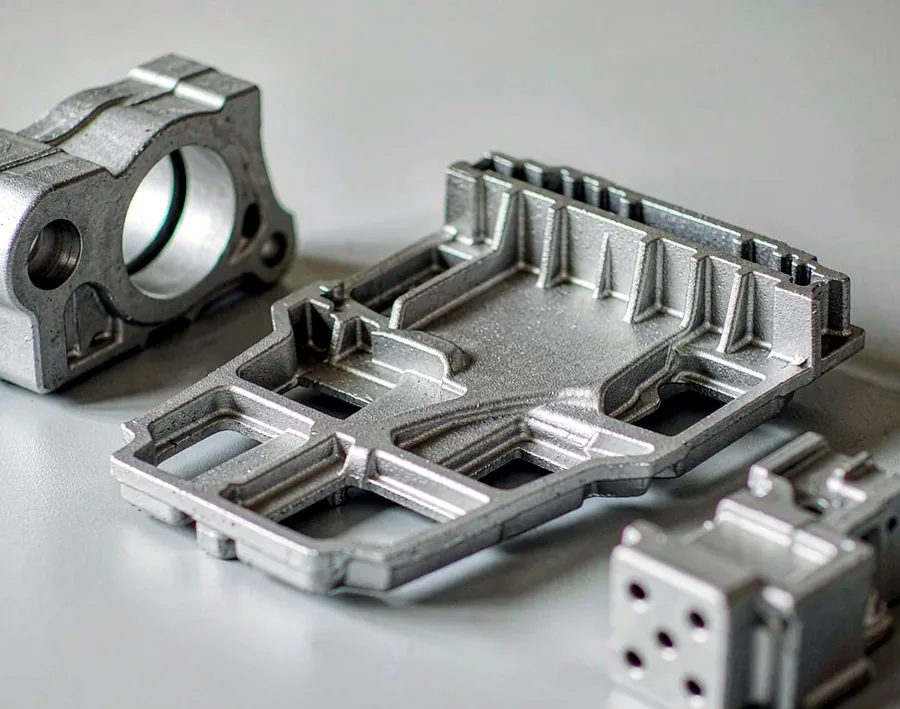
    Automotive brackets and housings

    Structural parts cast close to net shape, with bosses and mounting holes formed in the mould.
  • Aluminum die-cast LED luminaire body with cooling fins

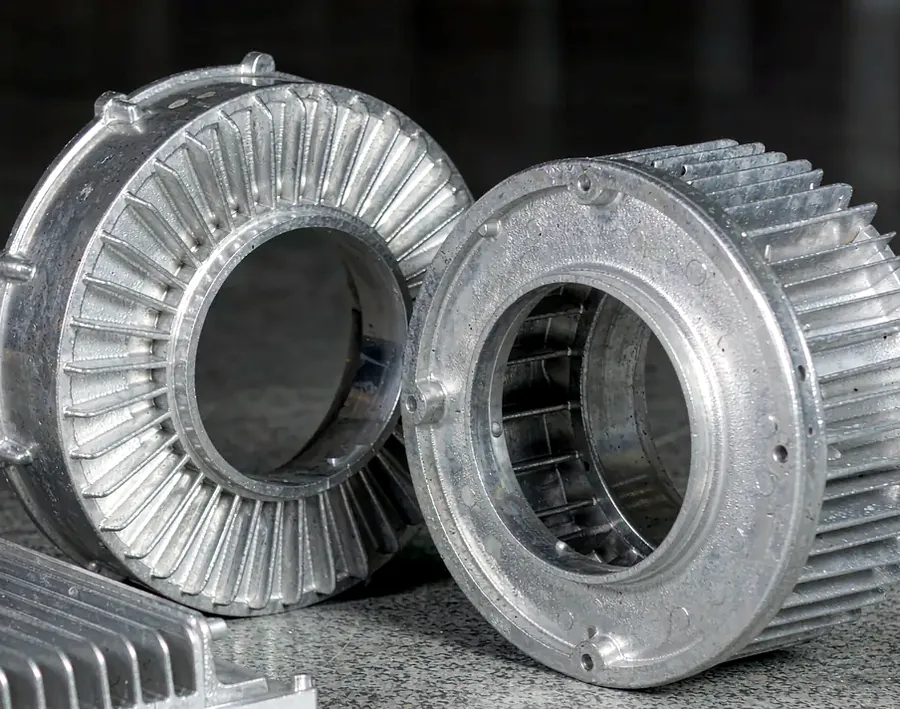
    LED luminaire bodies and heat sinks

    Thin-walled bodies with integrated fins that pull heat off the LED board without extra parts.
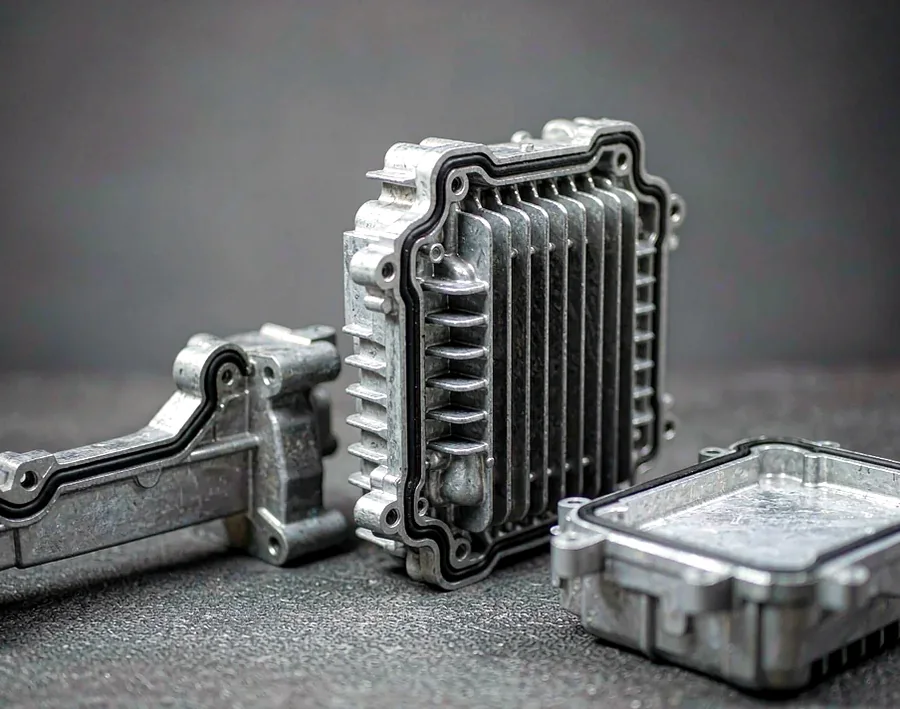
  • Aluminum die-cast electronics enclosure with cooling fins

    Electronics enclosures

    Sealed boxes with cast-in gasket grooves, holding wall thickness even across the whole housing.
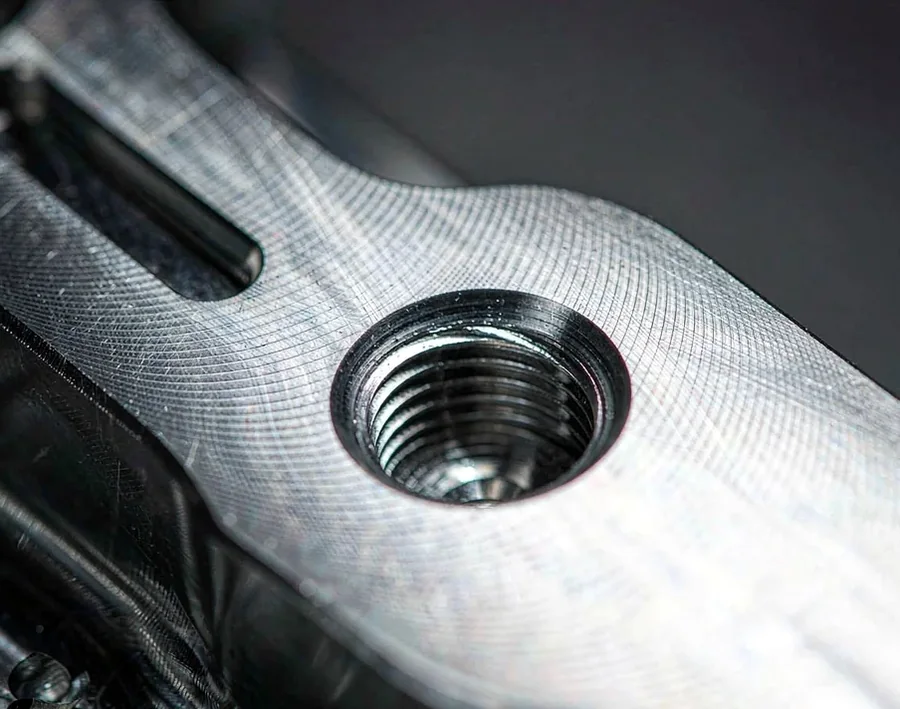
  • Machined bearing bore in an aluminum die casting

    Motor end caps

    Bearing seats and mounting faces cast in, then machined in the same plant to one tolerance stack.
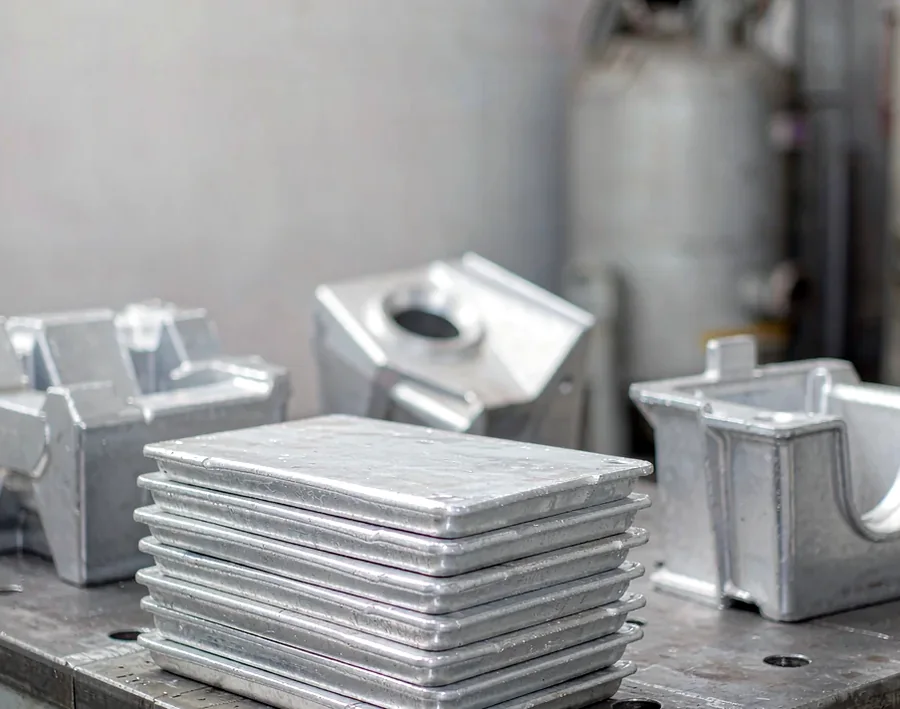
  • Aluminum die-cast housings for EV charging components

    EV charging components

    Housings and connector bodies that meet IP sealing and dielectric requirements at volume.
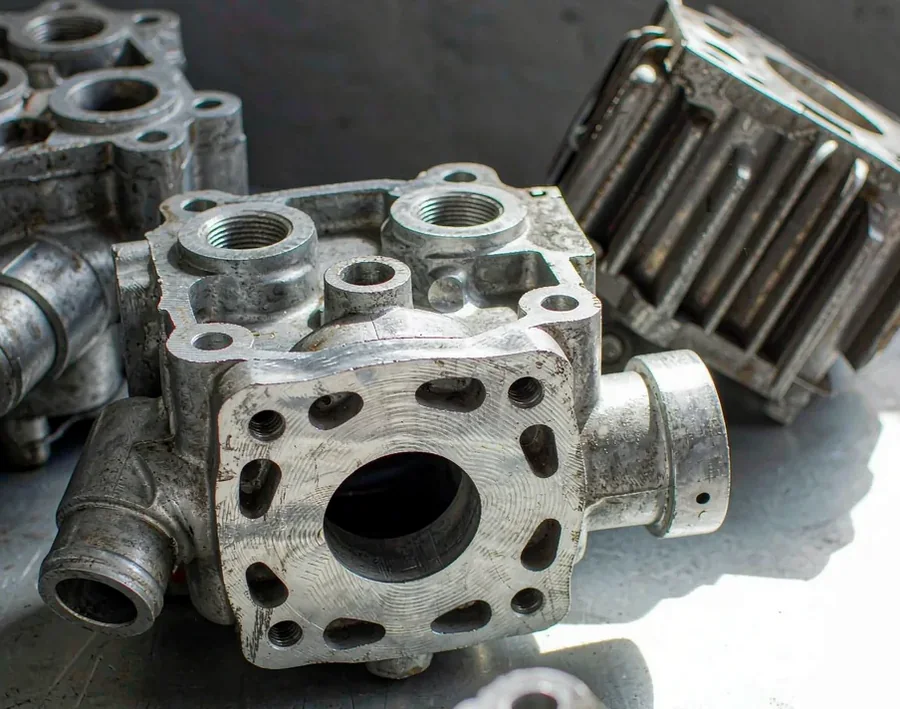
  • Aluminum die-cast industrial pump and gearbox housings

    Industrial pump and gearbox covers

    Covers with cast passages and machined sealing faces, built for pressure-tight assembly.

Frequently Asked Questions

The questions buyers actually ask at quoting stage.

Tooling is a one-time cost, so the economic minimum is usually around 500 pieces per run. Below that, prototyping routes are cheaper.

A380 covers most general work. Choose A360 for corrosion exposure, A413 for pressure tightness, B390 for wear resistance. We will confirm at DFM stage.

Typically 4–6 weeks for a new mold, depending on cavity count and part complexity. T1 samples follow within a week of mold completion.

Yes. Secondary CNC is in the same plant, so tapped holes, sealing faces and bearing bores are cut to ±0.02 mm before the part ships.

Ready to Quote Your Part?

Send a 3D model or drawing with your annual volume. Tooling cost and piece price come back together, usually within two business days.