
Die Casting Manufacturing for

Communications Industry

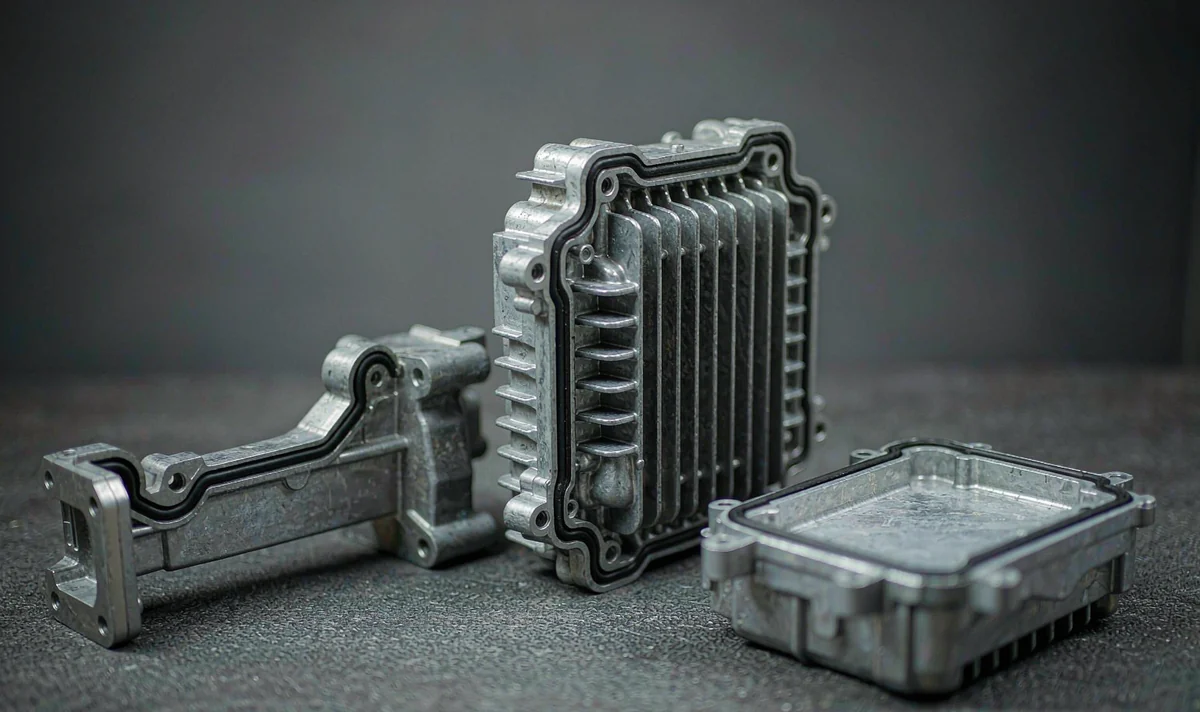
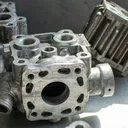
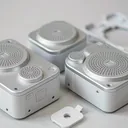
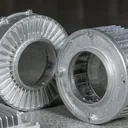
RF housings and base station enclosures that survive weather, heat and an IP rating test.

ISO 9001-aligned quality system

Leak and pressure testing available

EMI-aware masking and coating

Outdoor-grade alloy and finish combinations

Enclosures Built for Outdoor Service

Communications hardware lives outdoors, generates heat and must not leak. Die casting is usually the only process that meets all three at volume.
The critical dimensions are rarely the obvious ones. Flatness on the gasket face decides whether the enclosure passes its IP test; base thickness at the die interface decides junction temperature.
We cast to your drawing and flag the features that will not fill or will not hold flat — before the mold is cut, not after the first shipment.

From Prototyping to Production

Five stages, each with a document you can audit.

01

Prototyping

3D printing and CNC prototypes validate form, fit and function before any tooling commitment.

02

Engineering Validation

DFM review, mold-flow simulation and tolerance stack analysis catch problems while they are still free to fix.

03

Design Validation

Sample parts are measured and tested against your drawing and any application-specific requirements.

04

Production Validation

First article inspection and a documented process window confirm the mold is ready for volume.

05

Mass Production

Volume runs with in-process checks, lot traceability and inspection reports with every shipment.

Our Die Casting Capabilities

The production steps behind every industry program.
HPDC from 160T to 1,250T for structural and thermal parts.
Thin-wall precision parts with excellent plating quality.
Tapped holes, sealing faces and ±0.02 mm tolerances.
Coating, painting, anodizing and plating to your spec.

Applications in Communications Industry

Typical parts we produce for this sector.

RF Housing

Base Station Cover

Antenna Mount

Heat Sink

Filter Body

Waveguide Part

Specialist Industries

We staff each sector with people who know its audits.

Frequently Asked Questions

What buyers in this sector usually ask at quoting stage.

Yes, with the right gasket groove design and flatness control. We will confirm at DFM stage what the casting can hold.

Yes — threads, grounding points and sealing faces are masked, so you do not have to scrape them after delivery.

A360 for corrosion exposure, A380 for general use, A413 where pressure tightness is critical.

We cast to the fin geometry you specify and will tell you when a fin layout will not fill. Thermal simulation is your side of the wall; we make the geometry real.

Ready to Quote Your Part?

Send a 3D model or drawing with your annual volume. Tooling cost and piece price come back together, usually within two business days.