





Die Casting Manufacturing for
Smart Home Appliances
Thin, light, precise and cheap enough to sell at retail — with electronics constraints built in.
ISO 9001-aligned quality system
Zinc walls down to 0.5 mm
EMI and thermal considerations designed in
Volume ramp from prototype to SOP
Consumer Expectations, Electronics Constraints
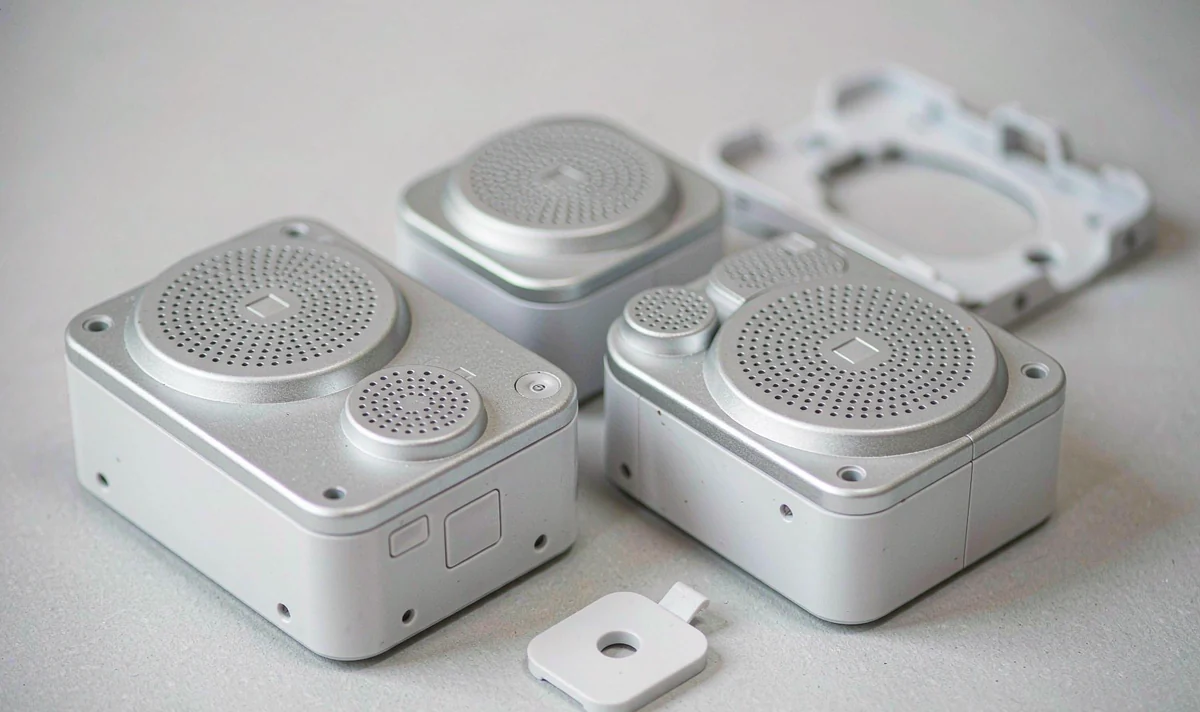
Smart home products combine consumer expectations with electronics constraints: thin, light, precise, and cheap enough to sell at retail.
That means the piece price has to be designed in — fewer machining operations, near-net-shape casting, and a finish that hides minor surface variation instead of demanding a perfect one.
We will show you which changes buy the most cost per unit of design effort, and which ones only move the problem to the next process.
- Zinc die casting for thin walls and fine as-cast detail
- Selective machining only on mating features, not the whole part
- EMI continuity and thermal path considered at alloy selection
From Prototyping to Production
Five stages, each with a document you can audit.
01
Prototyping
3D printing and CNC prototypes validate form, fit and function before any tooling commitment.
02
Engineering Validation
DFM review, mold-flow simulation and tolerance stack analysis catch problems while they are still free to fix.
03
Design Validation
Sample parts are measured and tested against your drawing and any application-specific requirements.
04
Production Validation
First article inspection and a documented process window confirm the mold is ready for volume.
05
Mass Production
Volume runs with in-process checks, lot traceability and inspection reports with every shipment.
Our Die Casting Capabilities
The production steps behind every industry program.
HPDC from 160T to 1,250T for structural and thermal parts.
Thin-wall precision parts with excellent plating quality.
Tapped holes, sealing faces and ±0.02 mm tolerances.
Coating, painting, anodizing and plating to your spec.
Applications in Smart Home Appliances
Typical parts we produce for this sector.
Sensor Housing
Camera Body
Motor Bracket
Display Frame
Heat Spreader
Internal Chassis
Specialist Industries
We staff each sector with people who know its audits.
Frequently Asked Questions
What buyers in this sector usually ask at quoting stage.
Can you hit a retail price target?
Tell us the target and the volume. We will show which design changes buy the most cost.
Zinc or aluminum for a small housing?
Zinc when the wall is thin, the detail is fine or the part gets plated. Aluminum when weight or thermal performance matters more.
How do you handle EMI requirements?
Housing continuity and coating masking are designed in from the start, not patched later.
What is the minimum order for a new mold?
Around 500 pieces per run is the usual economic point. Below that, prototyping routes are cheaper.
Ready to Quote Your Part?
Send a 3D model or drawing with your annual volume. Tooling cost and piece price come back together, usually within two business days.
